Blue Industrial Truck: A Designer's Review for Real Projects
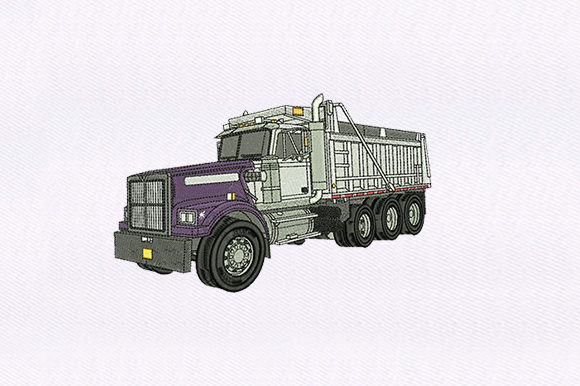
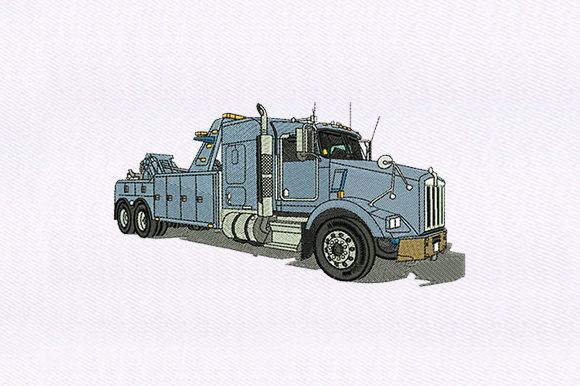
When I first pulled up the Blue Industrial Truck on my screen, I wasn't just looking at a digital preview; I was immediately visualizing it stitched out on a heavy canvas tote or perhaps the chest pocket of a workwear shirt. As someone who spends hours tweaking digitizing settings and troubleshooting thread breaks, my first impression of this machine embroidery design is that it strikes a solid balance between industrial ruggedness and approachable charm. The silhouette is distinct, avoiding the overly cartoonish look that sometimes plagues vehicle motifs, which makes it versatile enough for both children's items and adult apparel.
The mood this design creates is one of reliability and motion. It feels grounded. For a craft business owner or an Etsy seller looking to expand their Transportation category, this kind of visual personality is gold. It doesn't scream "novelty item" in a cheap way; instead, it suggests a custom, thoughtful handmade product. Whether you are creating a personalized gift for a dad who loves construction or a boutique line of nursery decor, the aesthetic holds up well under scrutiny.
Putting the Design to the Test: Real-World Scenarios
To truly evaluate an embroidery file, you have to imagine it in the wild. Let's say I'm preparing a custom order for a local daycare needing sweatshirt embroidery for their transportation-themed week. The Blue Industrial Truck would be my top contender here. The bold lines translate beautifully to fleece or French terry cloth, where finer details might get lost in the nap of the fabric. The color palette, dominated by that signature blue, offers excellent contrast against grey, navy, or even bright yellow garments.
Another strong use case is the embroidered patch. If you are running a small shop selling merchandise, turning this design into an iron-on or sew-on patch adds significant perceived value. The shape is compact enough to fit within standard hoop sizes without requiring excessive trimming, yet detailed enough to look professional when viewed up close. I can also see this working wonderfully as a tote bag design for grocery runs or library books. The industrial theme pairs naturally with durable fabrics like denim or canvas, reinforcing the utility of the bag itself.
For those focusing on baby embroidery, this design scales down surprisingly well. Placed on a onesie or a burp cloth, it becomes a cute, gender-neutral motif that parents appreciate. However, when scaling down, one must always be mindful of stitch density. While the preview looks crisp, shrinking complex vehicle designs can sometimes cause the wheels or cabin windows to merge if the digitizing isn't optimized for small scales.
Technical Considerations for Professional Results
Every designer knows that a great screen image doesn't always guarantee a perfect finished product. When working with the Blue Industrial Truck, there are specific technical areas where you need to exercise caution. First, consider your fabric texture. If you are stitching on a textured pique polo or a waffle-weave towel, the running stitch outlines might need extra attention to ensure they don't get swallowed by the fabric weave. In these cases, increasing the pull compensation slightly or choosing a thicker thread weight could save the design.
Density is another critical factor. Vehicle designs often rely on fill stitch areas to create the body of the truck. If the stitch density is too high, you risk creating a stiff, cardboard-like patch on soft garments, which customers often dislike. Conversely, if it's too low, the backing or the fabric underneath might peek through, ruining the solid blue effect. My advice is to always test the design on a scrap piece of your actual project fabric first. Check how the stabilizer interacts with the stitch count; a cut-away stabilizer is usually safer for vehicles to prevent distortion over time, especially on stretchy knits.
Curved surfaces present their own challenges. If you plan to put this on a cap, remember that the front panel is curved. Long, straight lines in the truck's bed or roof might pucker if the hooping tension isn't perfect. For caps, I recommend using a framer or a specialized cap frame to maintain stability during the stitch-out process.
Maximizing Visual Appeal and Brand Consistency
The true value of a design like Blue Industrial Truck lies in how it elevates your brand. Consistency is key for commercial embroidery projects. If your shop specializes in rugged, durable goods, this design reinforces that identity. It builds customer trust because it looks intentional and well-executed. A sloppy stitch-out on a vehicle design is immediately obvious to the eye—wobbly wheels or jagged lines break the illusion of reality. Therefore, ensuring your machine is well-maintained and your thread tension is dialed in is non-negotiable.
Color choice also plays a massive role in buyer engagement. While the default blue is strong, don't be afraid to experiment with thread colors in your software before stitching. A monochromatic version using shades of grey could appeal to a more modern, minimalist aesthetic, while a high-contrast version with orange safety accents might pop better on dark backgrounds. Creating printable mockups with these variations can help you gauge customer interest before committing to physical inventory.
Final Verdict and Designer Notes
In conclusion, the Blue Industrial Truck is a robust addition to any design assets library. It fits seamlessly into the Embroidery niche for those targeting families, construction enthusiasts, or logistics professionals. Its versatility allows it to shine on everything from holiday embroidery gifts like stockings to everyday custom apparel.
Before you launch this into production, keep these practical notes in mind:
- Test First: Always stitch a sample on scrap fabric identical to your final product to check for registration issues.
- Check Formats: This design comes in a wide array of formats including DST, PES, EXP, and JEF. Ensure you select the correct digital embroidery file for your specific machine model to avoid formatting errors.
- Licensing: Verify the license terms provided with the download. Most designs allow for unlimited physical sales but restrict reselling the digital file itself.
- Contrast Check: View your design in black and white on your computer screen. If the details disappear in grayscale, they might get lost in the stitching on low-contrast fabrics.
- Hoop Size: Confirm the required hoop size against your machine's capabilities. While likely standard, larger versions might require a jumbo hoop.
Ultimately, the Blue Industrial Truck offers a reliable foundation for creative entrepreneurs. With careful attention to fabric choice, stabilization, and thread quality, it can become a staple in your small shop product lineup, delivering professional results that keep customers coming back.