Egyptian Pattern Machine: A Designer's Review for Gifts
As an embroidery designer who has spent countless hours hooping fabric and testing digital files, I approach every new machine embroidery design with a mix of excitement and scrutiny. When I first loaded the Egyptian Pattern Machine file onto my workstation, I wasn't just looking at lines and stitches; I was visualizing the finished product in a customer's home. This review is written from the perspective of a professional preparing to use this design for real customer orders, specifically for those seeking meaningful, personalized items. Whether you are an Etsy seller, a craft fair vendor, or a small shop owner specializing in handmade goods, understanding the nuances of this pattern is crucial before you commit to production.
First Impressions: Mood, Charm, and Detail
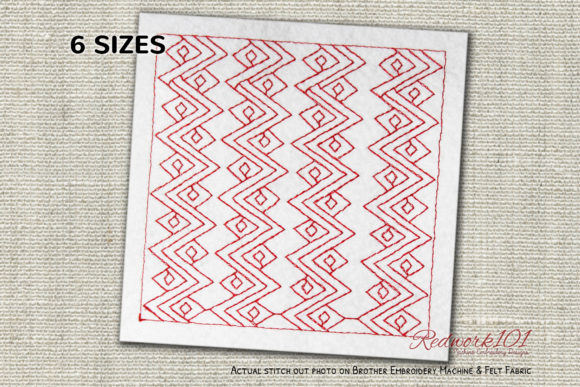
The immediate impression of the Egyptian Pattern Machine design is one of timeless elegance mixed with geometric intrigue. There is a distinct charm in how the pattern balances complex historical motifs with the clean lines required for modern machine stitching. It feels less like a novelty item and more like a classic piece of art that transcends seasonal trends. The mood is sophisticated yet warm, making it highly suitable for clients who appreciate cultural depth and artistic heritage. For those interested in Africa-inspired themes or broader global patterns, this design offers a respectful and beautiful representation that fits well within the Embroidery category.
The detail level is impressive without being overwhelming. In my initial test run, the stitch definition held up well, creating a texture that looks incredibly high-end. It strikes a perfect balance between being playful enough for a nursery and elegant enough for a wedding keepsake. This versatility is rare; often, a design is too juvenile for adult gifts or too stiff for baby products. However, this pattern bridges that gap beautifully, offering a sense of handmade quality that buyers instinctively trust.
Ideal Applications for Personalized Products
When planning a product line, the question is always: "Where does this shine?" The Egyptian Pattern Machine excels in several key areas of the personalized gift market. For baby embroidery, imagine this pattern adorning a soft muslin blanket or a nursery wall hanging. The geometric nature provides visual stimulation for infants while maintaining a neutral, stylish aesthetic that parents love for modern nurseries.
For wedding gift designers, this pattern is a standout choice for custom linens. Picture an embroidered towel set or a table runner where the pattern serves as a border, framing the couple's monogram. It adds a layer of luxury that elevates a standard textile into a heirloom-quality handmade product. Furthermore, for tote bags and aprons, the durability of the stitch work suggests longevity, which is a major selling point for customers looking for functional art.
If you are creating custom embroidery for pillow covers, this design allows for creative placement. You might center it for a bold statement or place it in a corner for a subtle accent. The emotional connection here is strong; customers buying these items often seek something that feels unique and story-rich, and this pattern delivers that narrative through its visual language.
Technical Considerations and Fabric Challenges
While the design is stunning, a responsible designer must address where caution is needed. The Egyptian Pattern Machine contains delicate details that require careful handling depending on the substrate. If you are working with textured fabric, such as a waffle-weave towel or a heavy linen, you must ensure the stitch density is appropriate. Too many stitches on a thick, uneven surface can cause puckering or thread breaks.
Special attention is required for stretchy baby clothes. Without the proper stabilizer, the geometric lines could warp after washing, ruining the crisp look of the pattern. I strongly advise testing on scrap fabric that matches your final product exactly. Additionally, consider the hoop size limitations of your machine. While specific dimensions were not provided in the base description, always verify that the design fits your hoop before purchasing or stitching to avoid mid-project headaches.
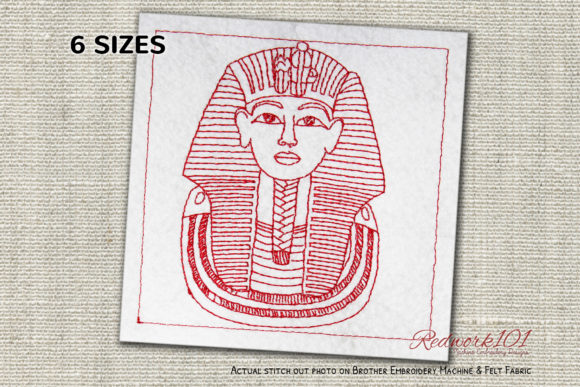
Color contrast is another vital factor. On dark fabric, lighter thread colors will pop dramatically, but you must ensure the underlay is sufficient to prevent the background fabric from showing through gaps in the stitching. Conversely, on light fabrics, ensure your thread colors are vibrant enough to stand out. Since the product notes mention that "The Box Stitch shown in picture is optional" and that outer box colors can vary, you have the flexibility to skip certain color stops. This is excellent for customization but requires you to be deliberate in your thread chart planning to maintain the design's integrity.
Enhancing Perceived Value and Customer Trust
In the world of online sales, particularly for an Etsy seller or digital product creator, perceived value is everything. The Egyptian Pattern Machine inherently boosts the perceived value of any item it touches. When a customer sees this level of intricacy in a product photo, they immediately associate it with high effort and skill. This builds customer trust and justifies a higher price point for your finished product.
Photography plays a huge role here. The geometric nature of the pattern photographs exceptionally well, creating sharp lines and shadows that look great on social media and printable mockup previews. This visual appeal drives buyer engagement, as shoppers are drawn to the complexity and beauty of the design. It signals that your small shop product is not mass-produced but rather a thoughtful commercial embroidery creation.
Practical Notes for the Professional Maker
Before integrating this into your regular rotation, here are my top practical recommendations based on this review:
- Test Extensively: Always stitch a sample on the exact fabric type you intend to sell. Check how the thread colors interact with the material after a wash cycle.
- Review Density: Examine the back of your test stitch-out. If the backing is too dense, it may feel stiff against the skin, which is unacceptable for baby blankets or wearables.
- Check Licensing: Confirm the commercial licensing terms before selling. While the design is versatile, ensuring you have the right to sell finished goods made with this digital embroidery file is non-negotiable.
- Verify Details: Since specific file formats and exact stitch counts were not detailed in the initial description, contact the provider or check the product listing thoroughly to ensure compatibility with your machine software.
- Customize Wisely: Take advantage of the optional box stitch feature. Skipping unnecessary color stops can save time and thread, streamlining your production process for bulk orders.
In conclusion, the Egyptian Pattern Machine is a robust and emotionally resonant design that holds immense potential for creators of personalized gifts. From cozy blanket embroidery to chic home decor, it offers a blend of history and modernity that appeals to a wide demographic. By respecting the technical requirements regarding stabilizers, fabric textures, and color contrasts, you can transform this digital file into a physical treasure that customers will cherish for years. It is a testament to the power of thoughtful design in the handmade marketplace.