Mandala - Conjoined Quilting: A Craft Fair Review
As an embroidery designer preparing for a busy weekend at the local artisan market, my table needs to stop traffic. Customers walk by hundreds of booths, and I have mere seconds to catch their eye before they move on. Today, I am reviewing Mandala - Conjoined Quilting, a machine embroidery design that promises intricate detail and versatility. My goal is to determine if this pattern will translate well into tangible craft fair products that sell, or if it remains just another pretty file on my hard drive.
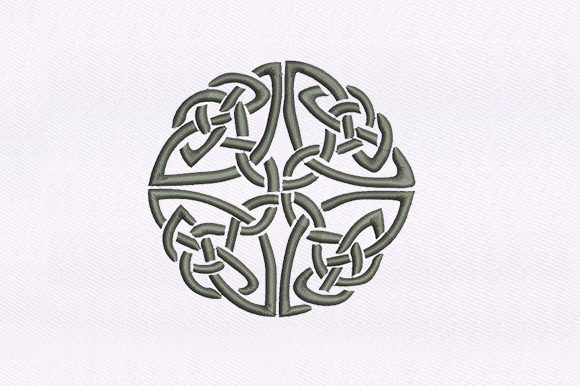
The first impression of Mandala - Conjoined Quilting is one of elegant complexity. Unlike bold, blocky fonts or simple rustic shapes, this design feels premium and decorative. The term "Conjoined" suggests a seamless flow, likely allowing the motif to repeat without harsh breaks, which is a massive advantage for creating all-over prints or border designs. It strikes a balance between modern geometric precision and traditional mandala spirituality. For a boutique maker, this aesthetic signals high value. It does not look like a quick, cheap iron-on; it looks like a handmade product that required skill and time, which is exactly the narrative we want to sell to customers willing to pay higher price points.
Visual Impact on Market Products
When setting up my booth display, placement is everything. I envision placing Mandala - Conjoined Quilting on a natural linen tote bag design. The intricate lines of the mandala would contrast beautifully against the organic texture of the canvas, creating a focal point that draws the hand. Because the description notes it can be repeated to make a unique pattern, I could easily scale this to cover the entire front of a market bag, turning a standard accessory into a statement piece. This repeatability is crucial for batch production; once I have the alignment down, I can churn out multiple bags with a consistent, professional look.
Beyond bags, this design shines on home goods. Imagine a set of kitchen linens featuring apron embroidery or tea towel embroidery. Placed in the corner of a flour sack towel or centered on a chef's apron bib, the mandala adds a touch of sophistication to everyday items. However, I must be cautious. The description mentions "intricate," which often implies fine details. On a textured terry cloth towel, tiny stitches might get lost or snag. For these items, I would recommend using a smooth waffle weave or flat cotton to ensure every thread of the embroidery file renders clearly.
For smaller impulse buys, such as embroidered patches or fabric pouches, the scalability of the design is key. If the original file allows for resizing without losing definition, a small version on a zippered coin purse could be a bestseller. However, if the design relies on very fine satin stitches, shrinking it too much might result in a muddy blob of thread. In this case, keeping the design as a medium-sized accent on a pillow cover or a large patch for jackets would preserve its visual integrity.
Production Realities and Practical Selling Points
From a production standpoint, Mandala - Conjoined Quilting offers interesting challenges and opportunities. The ability to repeat the pattern means I can create custom fabric runs or large-scale wall hangings that stand out in an Etsy seller's shop or a physical booth. Customers love exclusivity, and being able to say, "I arranged this pattern specifically for this item," adds perceived value. Photographically, the symmetry of a mandala makes for stunning printable mockup images and social media content. The radial balance is naturally pleasing to the eye and performs exceptionally well in square-format photos used on Instagram and Pinterest.
However, practical selling requires honest assessment of limitations. The "intricate" nature of the design suggests a potentially high stitch density. While this creates a lush, premium feel, it can cause puckering on lightweight fabrics if not managed correctly. For a small shop product line, consistency is vital. If I am producing fifty tote bags, I cannot afford to have every third bag pucker because the stabilizer wasn't heavy enough. Therefore, this design is best suited for medium-to-heavy weight fabrics where the structure can support the weight of the threads.
Furthermore, the color palette matters immensely. A mandala lives and dies by its thread colors. Using variegated threads could enhance the "conjoined" aspect, making the transitions seamless, while high-contrast solid colors could make the geometric elements pop. For a craft fair, I would likely produce samples in both neutral tones for a farmhouse look and vibrant jewel tones for a bohemian vibe to see which resonates more with my specific demographic.
Critical Considerations for Embroiderers
Before committing to a full production run of commercial embroidery items using this design, there are several technical factors to verify. Since the provided description cuts off regarding specific file details ("comes with mul..."), I cannot confirm the exact formats or hoop requirements. It is imperative to check the digital embroidery file specifications before purchasing or stitching. You need to know the maximum hoop size required, especially if you plan to use the repeating feature. If the repeat unit is larger than your standard hoop, you will need a machine capable of multi-hooping or a larger frame, which slows down production.
Additionally, consider the surface you are stitching on. Curved surfaces like caps can distort circular mandala designs if the digitizing isn't optimized for curvature. If you plan to offer embroidered hats, test a sample first to ensure the circles remain round and the details do not compress. Similarly, when working with dark fabrics, ensure the design includes adequate underlay or satin borders to prevent the fabric color from showing through the intricate gaps in the pattern.
To ensure success, follow these steps:
- Test on scrap fabric: Always stitch a sample on the exact material you intend to sell to check for puckering or thread breaks.
- Check thread contrast: Ensure your thread choices highlight the intricate details rather than blending them together.
- Review spacing: If repeating the pattern, measure the gap between motifs to ensure it looks intentional and balanced.
- Confirm hoop size: Verify the dimensions fit your equipment to avoid mid-stitch errors.
- Inspect stitch density: High density may require cutting away excess stabilizer carefully to maintain softness in wearable items.
- Use the right stabilizer: Match the stabilizer weight to the fabric texture; heavy designs need strong support.
- Create a real mockup: Digital proofs are nice, but holding the finished product helps judge true quality.
- Compare fabric colors: See how the design pops against different backgrounds to maximize buyer engagement.
- Confirm licensing: Before selling finished products, ensure the license allows for commercial embroidery use.
In conclusion, Mandala - Conjoined Quilting has the potential to be a standout design asset for any creative entrepreneur. Its intricate nature elevates simple blanks into luxury finished products. Whether used as a singular stunning pattern or a repeated motif, it offers the versatility needed for a diverse inventory. By paying attention to fabric choice, stabilizer selection, and production limits, you can turn this machine embroidery design into a profitable line of handmade goods that customers will love to take home.