Star Design 1: A Designer's Take on Holiday Embroidery
When I first pulled up Star Design 1 on my digitizing screen, I wasn't just looking for a pretty graphic; I was looking for a workhorse. As someone who spends hours hooping fabric, trimming jump stitches, and managing client expectations, my criteria for a new machine embroidery design are strict. It needs to look good in a printable mockup, but more importantly, it needs to survive the rigors of actual stitching. This pattern presents itself as a delicate and detailed option specifically tailored for Christmas ornaments, but in my experience, limiting a design like this to a single use case is a missed opportunity for any craft business or Etsy seller.
First Impressions and Visual Personality
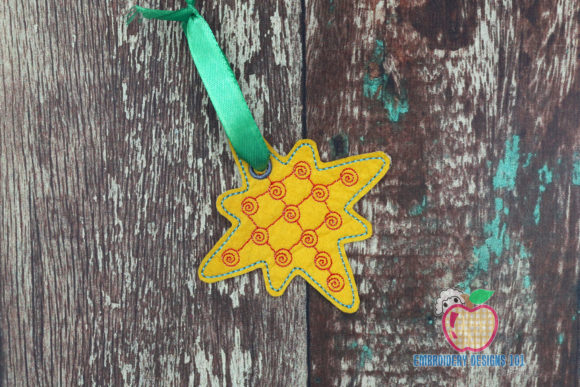
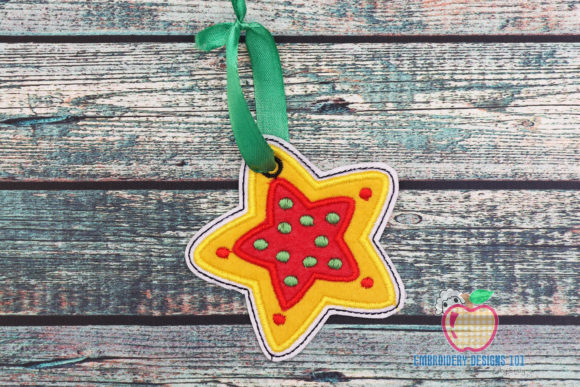
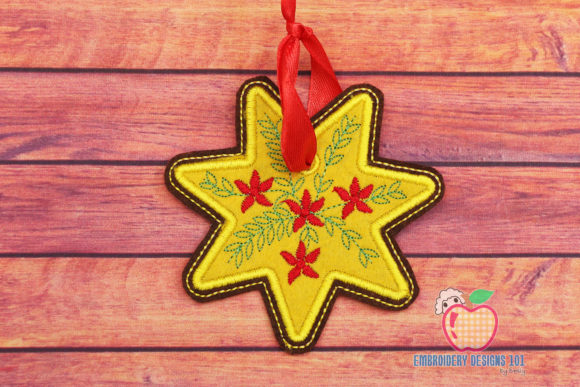
The immediate mood created by Star Design 1 is one of classic elegance. Unlike some holiday motifs that rely on chunky, cartoonish fills, this design leans into intricacy. The layout suggests a balance between open space and defined lines, which is crucial for maintaining clarity. When evaluating the visual personality, I noticed that the "delicate" nature mentioned in the description implies a reliance on finer running stitch outlines or perhaps lighter fill stitch areas rather than heavy, dense blocks of color.
For a designer, this is a double-edged sword. On one hand, it offers a sophisticated look that elevates a handmade product from "crafty" to "boutique." On the other hand, delicate details demand respect from the operator. If you are planning to use this as a tote bag design or on a rougher canvas, you need to ensure those fine lines don't get lost in the fabric texture. The design feels native to projects where the background is smooth and the thread contrast is high, allowing the geometry of the star to pop without visual noise.
Real-World Application: Beyond the Ornament
While the product description highlights hanging this as an ornament, let's talk about real-life scenarios where this embroidery file can generate revenue. Imagine a client requesting a set of matching family pajamas for the holidays. Placing Star Design 1 on the pocket of a flannel shirt or the cuff of a sweatshirt adds a subtle, custom touch that mass-produced retail items lack. Because the design is described as detailed, it works exceptionally well as a focal point on a sweatshirt embroidery project, provided the garment isn't too fuzzy.
I also see strong potential here for baby embroidery. A simple onesie or a burp cloth featuring this star becomes an instant heirloom. The key is scaling. Since the design comes with multiple file sizes (as implied by "multiple embroidery file"), selecting the correct scale for a small baby item versus a large pillow cover is vital. For a small shop product line, you could offer this as an add-on to kitchen towels or aprons. The star motif transcends the specific holiday if executed in non-traditional thread colors, making it a versatile asset for year-round custom apparel.
Navigating Fabric Challenges and Stitch Density
Here is where practical judgment comes into play. The term "detailed" often correlates with higher stitch density in specific areas or very tight turns. If you are working with stretchy fabrics like jersey knits for t-shirts, you must be vigilant. A dense design on a stretchy fabric can cause puckering, ruining the finished product. Before committing to a client order, I always advise running a test on scrap fabric identical to the final garment.
If you intend to use Star Design 1 on dark fabric, pay close attention to the underlay. Detailed designs sometimes skimp on underlay to save time, which can lead to the fabric showing through the stars. Conversely, on light fabrics, ensure your thread colors provide enough contrast. A silver metallic thread might look stunning in a digital preview but can be a nightmare to stitch if the design has sharp corners. Speaking of corners, inspect the points of the star closely in your software. Sharp angles in a satin stitch column can sometimes cause bird-nesting if the digitizer didn't program the turn correctly.
Textured fabrics like terrycloth towels or fleece blankets require a different approach. The "delicate" lines of this design might sink into the pile of a towel. In these cases, using a heavier cut-away stabilizer is non-negotiable. For caps or curved surfaces, the layout of the star needs to be centered perfectly; any distortion due to the curve will be immediately obvious in a symmetrical geometric shape.
Commercial Viability and Brand Consistency
For digital product sellers and those selling design assets, the versatility of Star Design 1 is a selling point. However, for those selling physical goods, consistency is king. If you are building a brand around high-end holiday decor, this design fits the bill. It communicates professionalism. A sloppy stitch-out on a personalized gift can damage customer trust, but a crisp, clean execution of a detailed star reinforces the value of your work.
When creating listings for an online shop, use this design to create lifestyle images that show scale. Show it on a velvet pillow, then on a linen napkin. This demonstrates to buyers that the embroidery project is adaptable. Remember, the perceived value of an embroidered patch or a monogrammed item often hinges on the clarity of the stitches. If the details blur together, the item looks cheap. If they remain distinct, it looks luxurious.
Final Designer Notes and Best Practices
Before you hoop your final fabric, take these practical steps. First, verify the license. Just because you bought the digital embroidery file doesn't automatically mean you have unlimited commercial embroidery rights for resale of the digital file itself versus the stitched item. Always check the specific terms provided by the creator.
- Test on Scrap: Never skip the test stitch-out, especially with detailed designs.
- Check Hoop Size: Ensure the largest version of the design fits comfortably within your available hoop without needing re-hooping, which risks alignment issues.
- Thread Selection: High-sheen rayon or polyester threads often highlight detail better than matte cotton for this type of star motif.
- Stabilizer Choice: Match the stabilizer to the fabric weight, not just the design. Delicate designs on heavy denim still need support.
- Mockup Verification: View your design in black and white on your screen to check for contrast issues before threading the machine.
In conclusion, Star Design 1 is a promising addition to a holiday collection, but its success depends entirely on the executor's attention to detail. It is not a "load and go" design for beginners; it rewards the experienced handler who understands how fabric texture, tension, and thread choice interact. Whether you are creating a holiday gift for a neighbor or stocking inventory for a winter craft fair, treat this design with the precision it demands, and it will deliver a finished product that stands out in a crowded market.