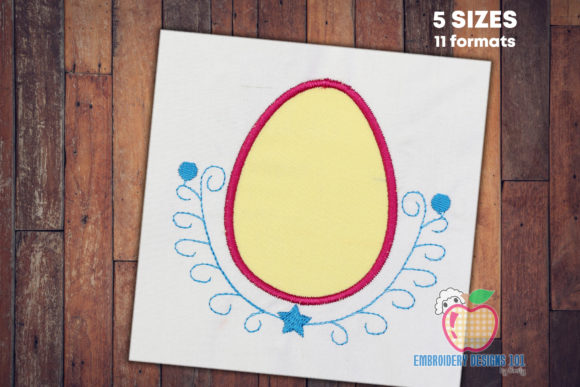
The Easter Egg with Designs Applique Review
As I prepare my booth for the upcoming spring craft fair, every machine embroidery design on my hard drive gets put under a microscope. It is not just about whether a file stitches out cleanly; it is about whether that design will stop a scrolling thumb on Instagram or make a customer pause at my table. This weekend, I am testing The Easter Egg with Designs Applique to see if it has the commercial viability needed for a busy market season. My goal is to turn this digital asset into tangible revenue through tote bags, aprons, and giftable home goods.
First Impressions and Market Appeal
When I first loaded The Easter Egg with Designs Applique into my software, the immediate vibe was festive yet sophisticated. Unlike some juvenile Easter graphics that scream "nursery only," this applique style suggests a higher-end, handmade aesthetic. The layering inherent in applique work adds texture and dimension that flat stitching simply cannot achieve. For a craft fair product, texture is king. Customers love to touch items, and the raised fabric layers of an applique egg invite that interaction.
The design feels versatile enough to bridge the gap between rustic farmhouse decor and modern boutique styles. Whether placed on a natural linen tea towel or a vibrant canvas tote, the silhouette of the egg provides a recognizable seasonal hook without being overly cartoonish. This balance is crucial for an Etsy seller or boutique maker trying to appeal to adult buyers looking for spring refreshments rather than children's toys.
Ideal Products for Maximum Impact
In my real-world test scenario, I evaluated where this design performs best. The results were clear:
- Tote Bags and Market Bags: This is the winner. A large-scale version of The Easter Egg with Designs Applique centered on a canvas tote creates an instant statement piece. It transforms a basic bag into a seasonal essential.
- Aprons and Tea Towels: For kitchenware, the design works beautifully as a focal point. On an apron, it sits perfectly on the bib or lower skirt. For tea towel embroidery, placing it near the hem adds a decorative touch that doesn't interfere with the towel's function.
- Patches and Pouches: If you stitch this on water-soluble stabilizer to create a standalone embroidered patch, it becomes a versatile add-on sale. Customers who don't want a whole new bag might buy a patch to iron onto their existing denim jacket or backpack.
- Pillow Covers: As a central motif on a throw pillow, the textured layers of the applique catch the light, adding visual interest to home decor displays.
Production Practicality for Small Shops
For those of us running small operations, time is money. One of the strongest selling points mentioned in the product details is that the steps are separated by color changes. This is a massive advantage for batch production. When I am stitching out twenty aprons for a Saturday market, I need a digital embroidery file that allows me to swap threads efficiently without constant trimming and jumping. The clear color stops mean I can load my machine, walk away to package orders, and return when the trim cycle hits.
However, applique does require more hands-on time than standard satin or fill stitching. You must cut the fabric shapes and place them before the final tack-down stitches. While this increases production time per unit, it also increases the perceived value of the finished product. Handmade shoppers recognize the effort involved in applique and are often willing to pay a premium for it compared to flat embroidery.
Visual Appeal and Photography
In the world of online sales, your printable mockup or product photo is everything. The Easter Egg with Designs Applique photographs exceptionally well because of its depth. Flat designs can sometimes look washed out in photos, but the shadows cast by the applique layers give the image life. This design asset is perfect for creating engaging social media content. When setting up my booth display, I plan to group items featuring this design by color story—perhaps a cluster of pastel eggs on neutral fabrics—to create a cohesive visual block that draws the eye from across the aisle.
Critical Considerations for Execution
While the potential is high, there are technical hurdles to clear before offering this as a commercial embroidery item. Applique designs rely heavily on fabric choice. If you use a fabric with too much texture or a loose weave for the applique piece itself, the edges may fray or look messy under the tack-down stitch. Conversely, if the base fabric is too thick, like a heavy terrycloth towel, the needle penetration might be difficult, potentially distorting the egg shape.
You must also be mindful of stitch density. Dense areas in the decorative elements of the egg could cause puckering if the wrong stabilizer is used. For stretchy fabrics like caps or knit pouches, a cut-away stabilizer is non-negotiable to maintain the integrity of the design over time. Additionally, check the hoop size requirements. If the design is large, ensure your machine can accommodate the necessary hoop without needing to re-hoop mid-design, which can lead to alignment issues.
Another factor is thread contrast. Since this is an Easter-themed item, you might be tempted to use subtle, tonal threads. However, for a small shop product selling at a busy fair, high contrast often sells better. Ensure the thread colors pop against the base fabric so the intricate details of the "designs" within the egg are visible from a distance.
Final Verdict for Craft Entrepreneurs
The Easter Egg with Designs Applique is a strong contender for the spring season. It offers the handmade quality that modern consumers crave while remaining practical enough for semi-batch production. Its versatility allows it to shine on everything from high-end linen napkins to sturdy canvas totes. The key to success lies in execution: test the design on scrap fabric first to dial in your tension and stabilizer combination. Verify the specific file formats included to ensure compatibility with your machine, as the description notes multiple formats are available but does not list them explicitly.
Before listing these items for sale, always confirm the commercial licensing terms provided by the designer. Assuming the license permits finished goods, this design has the power to elevate your brand consistency and boost buyer engagement. By treating it as a premium feature rather than a generic clip-art addition, you can command higher price points and build a loyal customer base that appreciates true craftsmanship. Whether you are a seasoned pro or a creative entrepreneur just starting, this design is a worthwhile investment for your spring collection.