Empty Boat Bluework: A Designer's Review for Boutique Sweatshirts
As an embroidery designer who spends more time staring at stitch simulations than actual scenery, I am always on the hunt for designs that translate well from a digital screen to heavy cotton blends. Recently, I pulled the Empty Boat Bluework file for an upcoming limited drop of premium sweatshirts for a small boutique brand I consult for. The goal was simple: create a coastal-inspired collection that feels elevated rather than souvenir-grade. After running tests on various fabrics and analyzing the digitizing nuances, here is my honest evaluation of how this machine embroidery design performs in a real-world commercial setting.
First Impressions and Aesthetic Mood
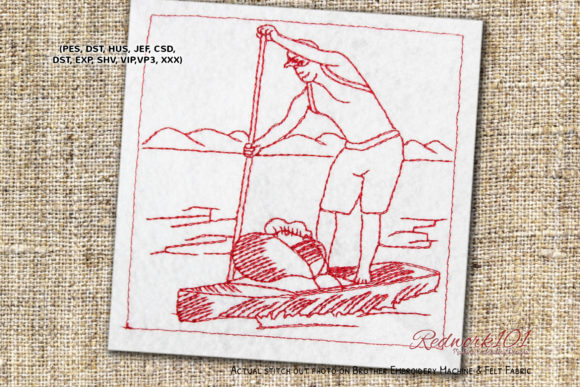
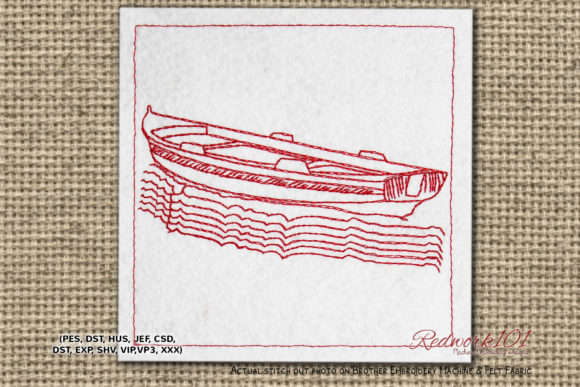
When I first loaded the Empty Boat Bluework onto my screen, the immediate vibe was serene and minimalist. There is a quiet confidence in the layout that speaks directly to the Beach category without screaming "tourist trap." The design relies heavily on the interplay of blue tones, which is crucial for evoking that nautical feel. For a boutique brand, mood is everything. This design feels less like a cartoon and more like a piece of art, making it suitable for customers who appreciate subtle, decorative elements over bold, flashy graphics.
The description notes that "The Box Stitch shown in picture is optional," which is a fantastic feature for a professional decorator. It gives us control over the final look. In my initial assessment, I found that skipping the outer box allowed the boat motif to breathe, creating a cleaner, more modern silhouette that works exceptionally well on oversized hoodies. However, keeping the box adds a framed, vintage patch aesthetic that might appeal to a rustic or heritage-focused customer base. This flexibility is rare in standard digital embroidery files and adds significant value to the asset.
Fabric Compatibility and Texture Considerations
The true test of any sweatshirt embroidery design is how it interacts with fabric texture. I tested Empty Boat Bluework on three distinct materials: a heavy 14oz neutral French terry, a dark navy fleece, and a soft pastel brushed cotton.
- Neutral Sweatshirts: On oatmeal or heather grey fabrics, the blue threads pop beautifully. The contrast is sharp enough to be readable from a distance but soft enough to maintain a cozy, handmade product feel.
- Dark Fabric: When moving to black or deep charcoal, the design holds its own, provided you use high-sheen rayon or polyester threads. The light reflection on the thread helps define the boat's shape against the dark background.
- Pastel Colors: On sage green or blush pink hoodies, the design takes on a softer, more feminine character. It becomes less about the nautical theme and more about a delicate, seasonal accent.
One critical factor here is stitch density. Heavy sweatshirt fabric can sometimes swallow low-density designs, making them look sparse. Fortunately, the fill patterns in this design appear robust enough to sit on top of the pile without sinking in, assuming the correct stabilizer is used. For these thicker materials, I strongly recommend a cut-away stabilizer rather than tear-away to ensure the finished product maintains its shape after multiple washes.
Placement Strategies for Commercial Apparel
For a small shop product line, placement dictates perceived value. I explored several configurations for Empty Boat Bluework to maximize its impact on custom apparel.
- Chest Placement: Centered on the left chest, the design acts as a subtle brand marker. It is understated and premium, perfect for a lifestyle brand that wants the garment to speak for itself.
- Sleeve Accents: Placing the motif on the lower forearm of an oversized hoodie creates a trendy, streetwear look. This works particularly well if you omit the optional box stitch to keep the profile slim.
- Back Designs: Scaled up (if the hoop size permits), this could serve as a striking back piece. However, you must verify the maximum hoop size compatible with your machine before committing to this layout.
It is vital to remember that the "Box Stitch" mentioned in the product details is optional. If you are aiming for a clean, contemporary look for your Etsy listings or printable mockups, I suggest removing it. If you want a more traditional, embroidered patch look, keep it. This decision should align with your specific brand identity.
Technical Execution and Durability
From a technical standpoint, there are a few things every embroidery shop owner needs to consider before running a production batch. First, thread color contrast is key. Since the design is titled "Bluework," sticking to a monochromatic blue palette is safe, but introducing a single contrasting thread for the waterline or the boat's hull could add depth. Just be careful not to overcrowd the small details.
Regarding small-size readability, if you plan to scale this down for pocket logos or hat embroidery, test a sample first. Complex satin stitches can sometimes bridge or break if reduced too far. For standard sweatshirt applications, however, the detail level seems appropriate.
Washing durability is another major concern for commercial embroidery. Sweatshirts are washed frequently, often in warm water. To prevent puckering, ensure your tension is balanced and your stabilizer is adequate. The description mentions that the color of the outer box differs in most designs unless it is part of the design itself. This implies some variability in how the file might be layered. Always check your specific embroidery file layers before hooping to ensure you aren't stitching unnecessary colors that could affect the backing or feel of the garment.
Elevating Brand Identity and Buyer Trust
Ultimately, a design like Empty Boat Bluework is more than just pixels and thread; it is a tool for building buyer trust. When a customer receives a package with a perfectly executed, high-quality embroidered sweatshirt, it reinforces the perception of a legitimate boutique brand. The tactile nature of embroidery adds a layer of luxury that printed graphics simply cannot match.
For an Etsy seller or creative entrepreneur, using unique design assets like this helps differentiate your small shop product from mass-market retailers. The "handmade" appeal is potent. By carefully selecting thread colors that complement your specific fabric texture and ensuring the hoop placement is precise, you transform a simple garment into a coveted item. This attention to detail drives customer engagement and encourages repeat purchases.
In conclusion, Empty Boat Bluework is a versatile addition to any designer's library. Whether you are creating a cozy winter collection or a spring beach lineup, this design offers the flexibility and aesthetic quality needed for professional results. Just remember to verify the specific hoop size requirements and stabilize your fabric correctly to ensure every piece leaving your studio is a testament to quality craftsmanship.