Father Holding Son Bluework: A Designer's Review
As an embroidery designer constantly curating collections for boutique apparel, I am always on the lookout for digital embroidery files that strike the perfect balance between emotional resonance and technical execution. Recently, while browsing Creative Fabrica embroidery options for an upcoming Father S Day capsule, I came across the Father Holding Son Bluework design. For those of us running small clothing brands or Etsy shops, finding a motif that feels both classic and contemporary is rare. This review breaks down how this specific machine embroidery design performs when translated from a screen to actual fabric, specifically focusing on sweatshirt embroidery, hoodie designs, and custom apparel projects.
Visual Personality and Stitching Mood
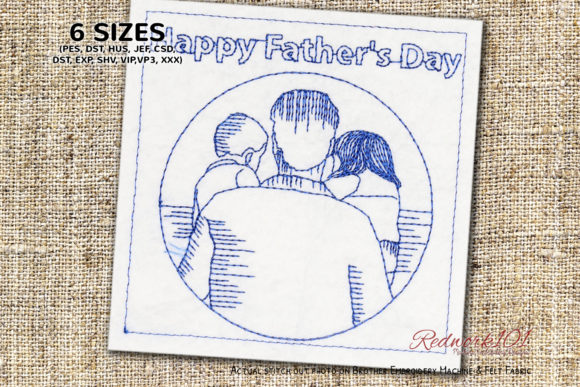
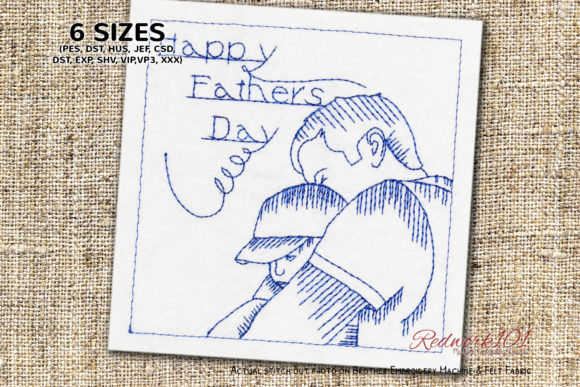
The first thing that stands out about Father Holding Son Bluework is its visual personality. The use of bluework techniques immediately gives the design a calm, trustworthy, and slightly rustic feel. Unlike overly saturated or cartoonish graphics often found in seasonal categories, this design leans towards a premium, classic aesthetic. The stitching mood is gentle yet bold enough to hold its own on larger garments. It feels less like a novelty item and more like a heartfelt piece of art, which is crucial for building buyer trust in a handmade product line.
The detail level appears sufficient for commercial embroidery products without being so dense that it compromises the drape of the fabric. For a boutique brand, visual consistency is key, and this design offers a clean look that pairs well with various thread colors. Whether you are aiming for a playful vibe or a minimal, trendy look, the core silhouette of the father and son provides a strong foundation. It is versatile enough to fit into cozy seasonal outfits while maintaining a timeless quality that extends beyond just Father S Day.
Ideal Applications for Sweatshirts and Hoodies
When planning a small sweatshirt or hoodie collection, placement is everything. Father Holding Son Bluework shines particularly well as a chest placement on neutral sweatshirts. On a heather grey or cream-colored hoodie, the blue tones pop beautifully, creating a focal point that draws the eye without overwhelming the garment. For oversized garments, which are currently trending, this design scales well. It maintains its integrity even when enlarged for a back design, making it an excellent choice for statement pieces.
I also see great potential for sleeve accents. If the design file allows for resizing without losing stitch definition, placing a smaller version on the forearm of a denim jacket or a fleece pullover adds a subtle touch of customization that elevates the perceived value of the item. For tote bag design, the structural stability of canvas works perfectly with the stitch density of this pattern, ensuring the image remains crisp even with daily use. When creating lifestyle product photos or printable mockups for your online shop, this design photographs exceptionally well due to its clear lines and contrasting tones.
Considerations for Dark Apparel and Textured Fabrics
Working with dark apparel requires careful attention to thread color contrast. Since this is a bluework design, pairing it with navy or black fleece might result in a low-contrast look unless you opt for lighter shades of blue or incorporate white underlay strategies. Always test on scrap fabric before committing to a full production run. Additionally, when embroidering on textured fabrics like ribbed knits or heavy fleece, the fabric texture can sometimes interfere with fine details. It is essential to check the stitch density; if the design is too dense, it may cause the fabric to pucker or become stiff.
Curved surfaces, such as the shoulder area of a t-shirt or the pocket of a hoodie, demand precision. Ensure your hoop size is appropriate for the area you are decorating. If the design includes tiny lettering or intricate borders, these areas may stretch or wrinkle over time on stretchy fabric. A professional tip is to use a high-quality stabilizer, possibly a cut-away for knit garments, to support the embroidery file throughout the life of the product. This step is vital for maintaining professional presentation and ensuring customer engagement remains positive post-purchase.
Enhancing Brand Identity and Product Value
Incorporating Father Holding Son Bluework into your catalog can significantly affect your apparel value and brand identity. Customers today are looking for meaningful connections in the items they purchase. A design that depicts a tender moment between a father and son resonates deeply, fostering an emotional connection that generic graphics cannot achieve. This emotional hook can lead to higher product recognition and repeat customers who associate your boutique brand with quality and sentiment.
For Etsy sellers and creative entrepreneurs, the ability to offer a finished product that looks professionally designed is a competitive advantage. This design helps create a cohesive visual language across your social media graphics and listings. When potential buyers see a consistent, high-quality aesthetic in your printable mockups and actual photos, it reinforces the idea that your small shop product is worth the investment. It transforms a simple garment into a keepsake, justifying a higher price point and strengthening your market position.
Practical Notes for the Embroidery Designer
Before launching this design in your commercial embroidery lineup, there are several practical steps to take. First, always confirm the specific details of the digital embroidery file on the Creative Fabrica product page. The description notes that "The Box Stitch shown in picture is optional" and that "The color of outer Box is different color in most of the designs unless it is part of the design itself, you can skip the color directly." This flexibility is a huge plus, allowing you to customize the look for different garment colors, but it also means you must be deliberate in your thread selection.
- Test on Scrap Fabric: Never skip this step. Verify how the thread colors interact with your specific fabric batch.
- Check Stabilizer Choice: Match the stabilizer weight to the garment type; heavier fleece needs more support than lightweight cotton tees.
- Review Thread Color Contrast: Ensure the blues stand out against your chosen base material, especially for dark garments.
- Confirm Hoop Size: Make sure your machine can accommodate the design dimensions, especially if planning large back prints.
- Inspect Stitch Density: Look for areas that might be too thick, which could cause discomfort or stiffness.
- Compare Placement Options: Visualize the design on the chest, sleeve, and back to find the most flattering spot.
- Check Licensing: Always review the Creative Fabrica product details and licensing terms before selling finished apparel to ensure compliance.
If the product listing does not explicitly state the stitch count, available file formats, or specific machine compatibility, advise yourself and your team to confirm those details before production. Missing information can lead to costly mistakes in a manufacturing setting. By taking these precautions, you ensure that Father Holding Son Bluework becomes a staple in your collection, delivering both aesthetic beauty and technical reliability for your customers.