Fathers Day Hat Redwork: A Pro Review for Merch
As an embroidery designer who has spent years digitizing and stitching for small businesses, I approach every new machine embroidery design with a critical eye. It is not just about whether it looks cute on a screen; it is about how it performs on a curved cap, how it holds up after fifty washes on a staff apron, and whether it elevates a brand identity or cheapens it. Today, I am reviewing the Fathers Day Hat Redwork specifically through the lens of commercial application. This is not a hobbyist critique but a practical assessment for boutique owners, Etsy sellers, and apparel decorators looking to expand their small business merch lines.
First Impressions and Visual Personality
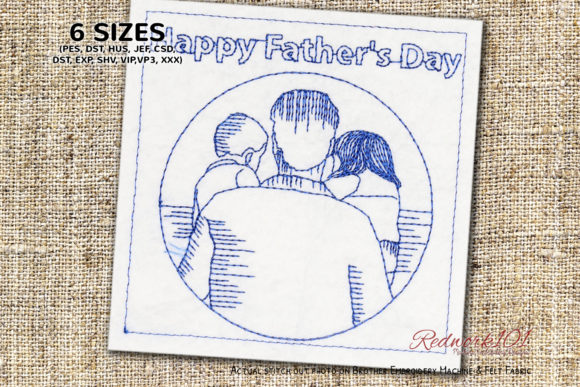
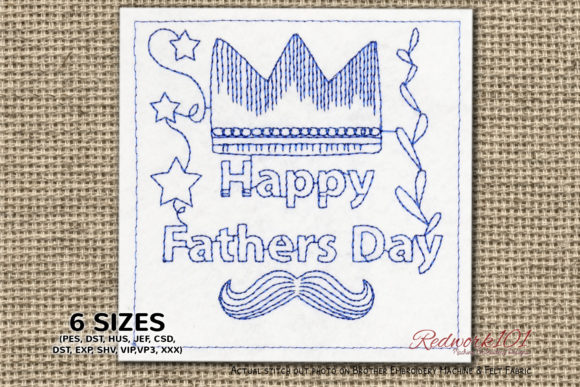
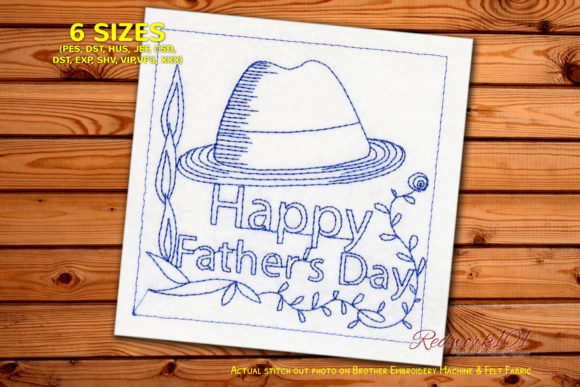
The immediate appeal of the Fathers Day Hat Redwork lies in its simplicity. Redwork, historically rooted in early American quilting, utilizes a single thread color—traditionally red—to create outline-based imagery. In a modern commercial context, this translates to a clean, rustic, and undeniably handmade aesthetic. For a creative studio, bakery, or florist looking to release limited-edition goods, this style signals authenticity. It feels less like a corporate logo stamped on fabric and more like a thoughtful, handmade product crafted with care.
However, the description notes that "The Box Stitch shown in picture is optional." This is a crucial detail for professional use. In commercial embroidery, we often need to remove bounding boxes or framing elements to ensure the design integrates seamlessly into existing brand assets. The ability to skip the outer box color allows us to adapt the design for various backgrounds without worrying about conflicting outlines. Whether you are aiming for a bold statement on a tote bag or a subtle accent on a work shirt, this flexibility is vital.
Real-World Business Applications
Where does the Fathers Day Hat Redwork actually shine in a business environment? The versatility of redwork makes it an excellent candidate for several key applications:
- Embroidered Patches: Because redwork relies on outlines rather than dense fill stitches, it creates lightweight, flexible patches. These can be sewn onto denim jackets, canvas totes, or even leather goods without adding excessive bulk.
- Cap Embroidery: The front of a baseball cap is a challenging surface due to its curvature. A design with lower stitch density, like this redwork option, reduces the risk of puckering and ensures the hat maintains its shape.
- Apron Embroidery: For cafes and bakeries, staff uniforms are walking billboards. A simple redwork design on the chest pocket of an apron looks professional yet approachable, reinforcing the "artisan" vibe many food establishments strive for.
- Tote Bag Design: Canvas bags are staples for retail shops. The high contrast of red thread against natural canvas creates a striking visual that draws attention without overwhelming the bag's utility.
For custom apparel lines, this design serves as an excellent seasonal add-on. During the Father S Day season, offering a coordinated line of hats and shirts featuring this motif can drive impulse buys at checkout counters.
Technical Considerations for Production
While the aesthetic is strong, a professional must address the technical realities before running a production batch. The description mentions that the color of the outer box varies unless it is part of the design itself. This implies that the digital embroidery file may have multiple color stops. Before loading this into your machine, you must review the sequence. If you are stitching on dark uniforms, a standard red thread might get lost or look muddy. You may need to manually adjust the thread colors in your software to ensure sufficient contrast against navy, black, or charcoal fabrics.
Furthermore, because this is an outline-heavy design, spacing is everything. If the lines are too close together, the fabric may show through awkwardly, or the threads may merge during washing. I always recommend testing the design on the actual fabric you intend to use. A stabilizer choice is also critical; for stretchy knits used in t-shirts, a cut-away stabilizer is non-negotiable to prevent distortion, whereas a tear-away might suffice for woven caps or tote bags.
Brand Identity and Customer Trust
In the world of small business, perception is reality. Using a generic, overly complex clip-art style design can sometimes make a brand feel mass-produced. Conversely, a well-executed redwork design suggests intentionality. When a customer sees the Fathers Day Hat Redwork stitched cleanly on a product, it communicates that the business values quality details. This builds customer trust and enhances the perceived value of the finished product.
Consistency is key. If your brand uses minimalist logos, this redwork style likely fits perfectly. However, if your brand identity relies on heavy, solid-block graphics, this lighter style might feel disjointed. Always compare the design beside your other design assets to ensure visual harmony. A cohesive look across your website, packaging, and merchandise strengthens brand recognition.
Critical Areas for Caution
There are specific scenarios where you should proceed with caution. If you plan to shrink this design for a tiny sleeve detail or a small product label, verify that the fine lines do not disappear. Redwork depends entirely on those lines; if they break or become indistinct at a small size, the image becomes unrecognizable. Additionally, be wary of using this on highly textured fabrics like thick wool or looped towels, as the texture can eat up the fine stitching, making the design look messy.
Another factor is durability. While redwork is generally durable because it lacks dense fills that can crack, the single-thread outlines can be susceptible to snagging if the stitch length is too long. Ensure your digitizer (or the file creator) has used appropriate stitch lengths for the intended fabric type.
Designer Notes and Final Recommendations
Before committing to a large run of Fathers Day Hat Redwork items, follow these practical steps to ensure success:
- Test in Black and White: Print a printable mockup of the design in grayscale first. If the design loses its definition without color, it may rely too heavily on specific hue contrasts that won't translate well to all thread options.
- Check Hoop Size Compatibility: The description does not specify an exact hoop size. Measure your machine's maximum area and compare it to the design dimensions to ensure it fits without re-hooping, which can cause alignment issues.
- Verify Licensing: Since this is for business use, confirm the commercial licensing terms. Are you allowed to sell unlimited physical goods, or is there a cap? Never assume a file is free for commercial use unless explicitly stated.
- Create a Client Mockup: If you are doing this for a client, create a digital mockup showing the design on their specific garment color. This manages expectations regarding how the red thread interacts with their brand colors.
- Wash Testing: Stitch a sample, wash it three times, and inspect it. Look for thread fraying or fabric puckering. This simple step saves you from costly returns later.
The Fathers Day Hat Redwork offers a charming, versatile option for businesses looking to capitalize on seasonal trends without sacrificing a handmade feel. By paying attention to fabric choice, stabilizer selection, and color contrast, you can transform this simple embroidery file into a high-value asset for your shop. Whether it ends up on a barista's apron or a customer's favorite cap, the right execution turns a simple stitch pattern into a powerful tool for brand storytelling.