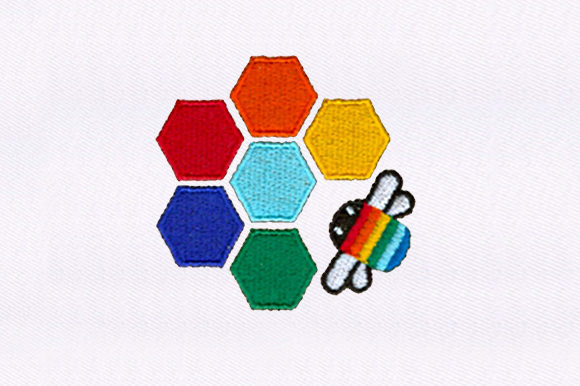
Honeycomb and Bee: A Designer's Review for Real Projects
As an embroidery designer who spends countless hours digitizing and stitching, I approach new downloads with a critical eye. When I first encountered the Honeycomb and Bee design on Creative Fabrica, I wasn't just looking for a cute graphic; I was evaluating its potential as a reliable asset for my commercial workflow. In the world of machine embroidery design, aesthetics are only half the battle. The real test lies in how the file performs under the needle, how it translates to various fabrics, and whether it adds genuine value to a finished product.
This review breaks down the practical application of this Bugs category item, moving beyond the preview image to consider its life as a stitched element on customer goods.
Visual Mood and Stitching Personality
The immediate appeal of Honeycomb and Bee is its charming, nature-inspired aesthetic. It captures that perfect balance between whimsical and structured, making it highly versatile. Visually, the design suggests a mix of textures. Typically, bee motifs rely on a combination of satin stitch for the bold stripes and wings, paired with a fill stitch to create the body's volume. The honeycomb elements often utilize geometric precision, which can be tricky if the digitizing isn't tight.
From a designer's perspective, the "stitching personality" of this file feels suited for spring collections, nursery themes, and eco-friendly branding. It has a decorative appeal that works well without being overly childish, allowing it to fit into boutique merchandise for adults as easily as it does for baby items. The detail level appears sufficient to hold up on medium-weight fabrics, but the true test is always in the density and underlay, which we must verify before committing to a production run.
Real-World Application Scenarios
When considering where to deploy this embroidery file, the possibilities for commercial embroidery are extensive. Here is how I envision integrating Honeycomb and Bee into actual product lines:
- Custom Apparel: This design is ideal for left-chest logos on linen shirts or as a central motif on children's t-shirts. The organic shape complements natural fibers beautifully.
- Tote Bag Design: Canvas totes are a staple for craft fairs. Placing this motif on a pocket or as a large back-panel statement piece creates an instant bestseller for markets focused on sustainability.
- Sweatshirt Embroidery: For cooler months, this design works wonderfully on crewnecks. However, one must account for the loft of the fleece when selecting hoop placement.
- Nursery Decor: Think pillow covers, wall hangings, or baby blankets. The theme is timeless for newborn gifts, offering a soft, welcoming vibe.
- Embroidered Patch: If the file includes a clean border or tack-down sequence, it could be adapted for iron-on or sew-on patches, adding a high-margin item to an Etsy shop.
- Kitchen Towels and Aprons: The bee motif naturally fits culinary textiles. A small version on the corner of a waffle-weave towel adds a touch of handmade elegance.
For Etsy sellers and handmade shop owners, the key is consistency. Using Honeycomb and Bee across a coordinated collection—matching aprons, oven mitts, and tote bags—creates a cohesive brand story that buyers trust.
Technical Considerations for Production
Before loading this digital embroidery file onto the machine for a paid order, several technical factors require attention. The product page lists a comprehensive array of formats including DST, PES, EXP, and JEF, which ensures compatibility with most major home and commercial machines. However, format availability does not guarantee perfect performance on every material.
Fabric and Stabilizer Challenges
Working with stretchy fabric like jersey knits requires a robust stabilizer strategy. If the stitch density of the honeycomb sections is high, the fabric may pucker without proper cut-away support. Conversely, on textured fabric like towels, the fine details of the bee's wings might get lost if the underlay isn't sufficient to bridge the loops of the terrycloth.
For dark fabric applications, you must review the thread color contrast. A standard yellow-and-black bee might vanish against a navy or chocolate background unless the digitizer included a light-colored underlay or border. Always run a test stitch-out on scrap fabric identical to your final product to check for registration issues.
Hoop Size and Placement
While specific dimensions aren't listed in the brief description, designs of this nature often fit within standard hoops. However, if you plan to use this on curved cap surfaces, ensure the design width fits the cap frame constraints. Caps introduce distortion; a wide honeycomb pattern might arch awkwardly if not centered perfectly. For small hoop sizes, verify that the design doesn't require frequent re-hooping, which can lead to alignment errors in multi-color runs.
Enhancing Product Value and Brand Trust
In the competitive landscape of creative entrepreneurs, the quality of your embellishments directly impacts buyer trust. A cleanly stitched Honeycomb and Bee motif signals professionalism. It elevates a basic tote bag into a personalized gift worth a premium price point.
Visual appeal drives engagement. When photographing your handmade product for social media or listings, the texture of the satin columns and the sheen of the thread catch the light, creating dynamic images. This design supports brand consistency if you are building a line around nature, gardening, or organic living. Furthermore, the "giftability" factor is high; customers are always searching for unique, non-generic items for baby showers and housewarmings, and this motif hits those marks squarely.
Final Verdict and Best Practices
Is Honeycomb and Bee worth downloading? For designers looking to expand their library with a versatile, seasonally flexible motif, the answer leans toward yes, provided you do your due diligence. The wide range of file formats (from ART to XXX) suggests the creator aims for broad accessibility, which is a positive sign for Creative Fabrica embroidery users.
To ensure success with this applique design or standard fill motif, follow these practical steps:
- Check Thread Colors: Map the suggested colors to your specific thread brand (Madeira, Isacord, etc.) to ensure the vibrancy matches the preview.
- Review Stitch Density: Zoom in on the preview or stitch out a sample to see if the honeycomb cells are too dense, which could cause thread breaks.
- Confirm Licensing: Before selling finished products, always read the specific license terms on the product page. Most Creative Fabrica items allow commercial use for physical goods, but restrictions on digital resale usually apply.
- Test on Varied Materials: Don't assume it works on everything. Test on both woven cotton and stretchy blends to understand how the running stitch outlines behave.
- Inspect Small Details: After stitching, check the connection points between the bee and the comb. These are common areas for loose threads that need trimming.
Ultimately, Honeycomb and Bee offers a solid foundation for creating marketable, attractive goods. By respecting the technical limitations of your machine and materials, you can transform this digital asset into a tangible revenue stream for your small business.