Mexican Skull: A Bold Halloween Embroidery Design Review
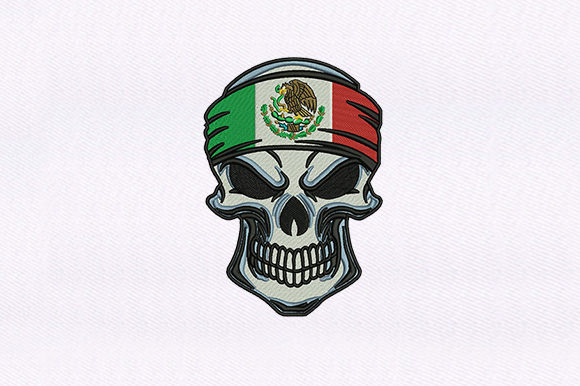
As an embroidery designer preparing for the upcoming weekend craft fair, my table strategy relies heavily on selecting designs that stop customers in their tracks. This year, I am evaluating the Mexican Skull machine embroidery design to determine its viability for my booth. When you are running a small shop product line or acting as an Etsy seller, every inch of fabric needs to work hard. The first impression of this design is undeniably bold and festive. It captures the essence of Halloween without being overly spooky, leaning instead into the vibrant, decorative tradition of Dia de los Muertos. For boutique makers looking to add a touch of cultural flair to their autumn collections, this design offers a perfect balance of intricate detail and visual impact.
Visual Appeal and Product Versatility
The immediate question for any creative entrepreneur is: where does this design shine? In my assessment, the Mexican Skull performs exceptionally well as a focal point on larger surface areas. I envision this design anchoring a series of canvas tote bags. A large, colorful skull centered on a natural or black tote bag creates a high-contrast look that photographs beautifully for printable mockups and online listings. The intricate patterns often found within these skull designs allow the thread colors to pop, making the finished product look premium rather than mass-produced.
Beyond bags, this design is a strong contender for apron embroidery. A black apron featuring a vibrant Mexican Skull on the bib section instantly elevates a standard kitchen item into a statement piece suitable for fall cooking or themed parties. Similarly, tea towel embroidery can benefit from this motif, provided the stitch density is appropriate for the fabric texture. However, I would advise placing it on the lower half of the towel or using a heavier linen blend to prevent puckering, ensuring the handmade quality remains intact.
For those interested in smaller accessories, the design could be scaled down for embroidered patches or fabric pouches. These small shop products are excellent impulse buys at a craft fair. If the design retains its clarity at a smaller size, it becomes a versatile asset for zipper pulls, coin purses, or even as an accent on denim jackets. The key here is ensuring the details do not get lost; a design that looks muddy when shrunk will hurt your brand consistency.
Production Practicality for Batch Manufacturing
When preparing for a craft fair, repeatability is crucial. You need a machine embroidery design that you can run multiple times without constant intervention. The Mexican Skull appears to have the structural integrity needed for batch production, but there are practical considerations. The availability of multiple embroidery file formats—including 10O, ART, CND, DSB, DST, DSZ, EXP, HUS, JEF, PCS, PES, TAP, VIP, VP3, and XXX—is a significant advantage. This wide compatibility means whether you are running older Brother machines, modern Janome units, or industrial Berninas, you likely have a compatible digital embroidery file ready to go.
However, before committing to a full run of commercial embroidery, one must evaluate the stitch density. Dense stitch areas are common in skull designs to create shading and depth. While this adds to the visual appeal and customer attention, it can cause issues on textured towels or curved cap surfaces. If you plan to offer caps, test the design thoroughly. The curvature of a cap can distort detailed elements, and thick layers of thread might make the hat uncomfortable to wear. For hats, a simplified version or a placement higher on the crown might be necessary.
Critical Considerations for Fabric and Thread
To ensure the best possible finished product, careful attention must be paid to material selection. Dark fabric provides the most dramatic backdrop for a Mexican Skull, allowing bright cyans, magentas, and yellows to stand out. However, working on dark materials requires a solid underlay to prevent the fabric from showing through the stitches. Conversely, if you choose light fabrics, ensure your thread colors are saturated enough to maintain the design's festive mood.
Stabilizer choice is another non-negotiable element. Given the potential for heavy stitching, a cut-away stabilizer is often safer than tear-away, especially for items like tote bags and pouches that will undergo stress and washing. Using the wrong stabilizer on a dense design can lead to distortion over time, which reflects poorly on your handmade product reputation. Always test the design on scrap fabric that matches your final product material. This simple step saves money and protects your brand image.
Maximizing Sales at the Craft Fair
In the context of a busy craft fair booth, display strength is everything. The Mexican Skull has the potential to be a booth draw. Imagine a display wall featuring pillow covers with varying colorways of the same skull design. This demonstrates versatility to the buyer. It shows that you are not just selling a generic item, but a customizable piece of art. Customer engagement increases when they can see how the design adapts to different home decor styles, from rustic to modern.
Furthermore, this design fits perfectly into the Halloween season but has a longer shelf life due to its cultural significance. Unlike a generic ghost or pumpkin, a Mexican Skull appeals to a broader audience interested in art, culture, and unique aesthetics. This extends the selling window beyond October, making it a smarter investment for your inventory. For digital sellers, offering this as part of a bundle with matching design assets could also open up a secondary revenue stream, provided you have the correct commercial licensing.
Final Designer Notes and Recommendations
Before listing this item on Etsy or loading it onto your machine for a production run, verify the specific technical details. Since exact stitch counts and hoop sizes were not provided in the initial description, you must check these specifications within the downloaded folder. Confirm that the hoop size required fits your machine's capabilities, especially if you are planning to embroider larger items like market bags or pillow covers.
Additionally, review the license terms carefully. Not all digital embroidery files come with commercial rights. As a professional, ensuring you have the legal right to sell finished products made with this design is paramount to avoiding copyright issues. Once cleared, focus on thread contrast. A monochromatic skull can be elegant, but a multi-colored approach usually drives more sales in a festive market setting.
In conclusion, the Mexican Skull is a robust candidate for your next craft fair lineup. Its bold aesthetic, combined with the flexibility of widely supported file formats, makes it a practical choice for diverse products ranging from aprons to patches. By paying attention to fabric texture, stabilizer choices, and placement, you can transform this single design into a cohesive collection that highlights your skill as a maker. With proper testing and strategic display, this design has the power to boost your sales and enhance your brand's visual identity during the lucrative holiday season.