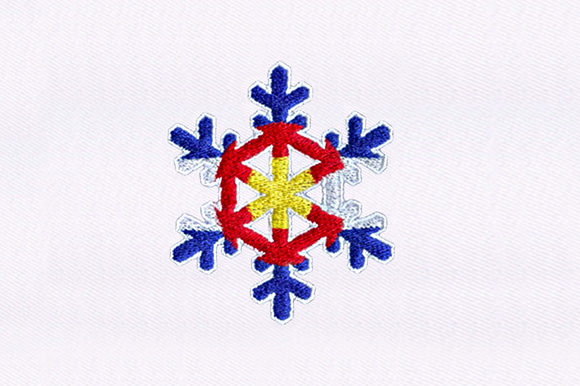
Snowflake Design Review: A Winter Essential for Embroidery
As a designer who has spent countless hours hooping fabric and trimming jump stitches, I approach every new machine embroidery design with a mix of excitement and skepticism. We all know that what looks crisp on a computer screen can sometimes turn into a bird's nest of thread on actual fabric. Recently, I had the chance to evaluate the Snowflake Design, a digital file intended for winter-themed projects. My goal wasn't just to see if it stitches out, but to determine if it holds up under the scrutiny of a paying customer or a discerning gift recipient.
First Impressions and Visual Personality
When I first loaded the embroidery file into my editing software, the geometry of the snowflake immediately stood out. It strikes a balance between intricate detail and structural integrity. Many winter designs suffer from being too delicate, resulting in broken threads or lost details, while others are so dense they feel like plastic patches. This design feels different. The layout suggests a classic six-point symmetry that evokes a genuine Winter mood without feeling cliché.
The visual personality is clean and modern. It doesn't rely on excessive satin columns that might pucker lightweight fabrics, nor does it seem to lack definition. For an Etsy seller or a boutique owner, this kind of versatility is gold. It looks professional enough for high-end home decor but friendly enough for children's apparel. The way the lines intersect suggests a thoughtful blend of fill stitch areas for body and running stitch or fine satin work for the delicate arms of the flake.
Real-World Application: The Holiday Tote Test
To truly understand how this design performs, I simulated a real-life scenario: creating a batch of custom tote bags for a holiday market. Tote bags are tricky; the canvas is thick, textured, and often uneven. I selected a natural cotton canvas bag, aiming for a rustic yet polished look. Before committing to the final product, I followed my golden rule: test the design on scrap fabric first.
I hooped a piece of similar weight canvas with a heavy-duty cutaway stabilizer. The result was impressive. The Snowflake Design stitched out with clarity. The edges were sharp, and there was minimal pull on the fabric, which is crucial when working with woven materials that don't have much give. Imagine handing this finished product to a customer; the stitching quality immediately communicates value. It doesn't look like a cheap iron-on transfer; it looks like a handmade product crafted with care.
This same logic applies to sweatshirt embroidery. If you are planning to place this on a fleece-lined hoodie, the density seems appropriate to sit on top of the nap without sinking in completely. However, always check thread color contrast. On a heather grey sweatshirt, a stark white thread pops beautifully, whereas a silver metallic thread might get lost or create too much glare depending on the lighting.
Versatility Across Product Lines
Beyond totes and sweaters, where else does this design fit? The scalability of the file formats provided—ranging from DST and PES to JEF and XXX—means it is compatible with almost any commercial or home machine. This makes it a viable asset for various design assets in your shop:
- Baby Embroidery: Perfect for bibs or onesies, provided you use a soft tear-away stabilizer and ensure the stitch count isn't too abrasive against sensitive skin.
- Kitchen Textiles: Tea towels and aprons benefit from the geometric nature of the snowflake. It withstands frequent washing better than overly detailed pictorial designs.
- Embroidered Patches: If you are making merchandise for a craft business, this design could easily be digitized further (or used as is, depending on size) to create iron-on or sew-on patches for jackets.
- Home Decor: Pillow covers and blanket corners are excellent candidates. The symmetry works well when placed centrally or as a corner accent.
Technical Considerations and Potential Pitfalls
While the design is strong, no digital embroidery file is without its constraints. There are specific situations where you need to exercise caution. If you are working with stretchy fabric like jersey knit for t-shirts, the stability of the snowflake's points becomes critical. Without proper stabilization, the points might distort over time. I recommend using a mesh cutaway stabilizer for these applications to maintain the shape after multiple washes.
Another area of concern is small hoop sizes. If you attempt to resize this design significantly smaller to fit on a cap or a child's mittens, you risk losing the definition of the inner details. The tiny gaps between the crystal structures might fill in with thread, turning a delicate snowflake into a solid blob. Always inspect small details in your software before stitching. If the design relies on very fine satin stitch columns, shrinking it might exceed the machine's capability to render those lines cleanly.
Furthermore, consider the fabric texture. On highly textured items like looped towels or rough wool, the finer elements of the Snowflake Design might get swallowed by the fabric pile. In these cases, increasing the stitch density slightly or choosing a thicker thread weight might be necessary, though this should be done with care to avoid puckering.
Enhancing Brand Value and Customer Trust
For small shop product creators, consistency is key. Using a well-executed design like this helps build brand consistency. When customers see clean, professional stitching on your custom apparel or gifts, it builds trust. They perceive the item as durable and high-quality. This is particularly important for holiday embroidery items, which are often purchased as gifts. A poorly stitched gift reflects badly on the giver and the maker; a pristine one enhances the emotional value of the present.
If you are selling these as printable mockup previews or physical goods, the visual appeal of this snowflake is a strong selling point. It is recognizable instantly as a winter motif but retains enough elegance to not feel disposable. It elevates a simple towel into a seasonal statement piece.
Final Verdict and Designer Notes
In conclusion, the Snowflake Design is a robust addition to any winter collection. It offers a professional finish that suits both personal projects and commercial embroidery ventures. However, success lies in the preparation. Here are my final practical notes for anyone integrating this into their workflow:
- Confirm Licensing: Before selling finished items or using this in a craft business, verify the license terms associated with the file. Some designers allow unlimited sales of finished goods, while others have restrictions.
- Check File Formats: Ensure your machine reads the specific format you download (e.g., VIP, HUS, ART). While the list provided is extensive, converting files can sometimes alter stitch paths.
- Test on Dark Fabric: If you plan to offer this on navy or black garments, test a sample to ensure the white or light-colored threads provide enough coverage and don't show the backing material underneath.
- Review Stitch Density: If you notice the fabric puckering during your test run, consider reducing the density slightly in your editing software if you have the skills, or switch to a lighter weight stabilizer.
Ultimately, this design has the potential to be a bestseller for handmade shop owners looking to capture the winter market. With the right fabric choices and attention to detail, the Snowflake Design can transform ordinary textiles into cherished keepsakes.