Raw Almond Redwork: A Craft Fair Favorite
As an embroidery designer preparing for the upcoming weekend craft fair circuit, I spend a significant amount of time curating which machine embroidery design files will make the cut for my booth. The difference between a design that gathers dust and one that flies off the table often comes down to immediate visual impact and practical application. Today, I am reviewing the Raw Almond in Wooden Container Redwork to determine its potential as a top-selling craft fair product. This evaluation is written from the perspective of someone who needs to know if a design can withstand the scrutiny of handmade market shoppers while remaining efficient to produce in batches.
First Impressions and Aesthetic Appeal
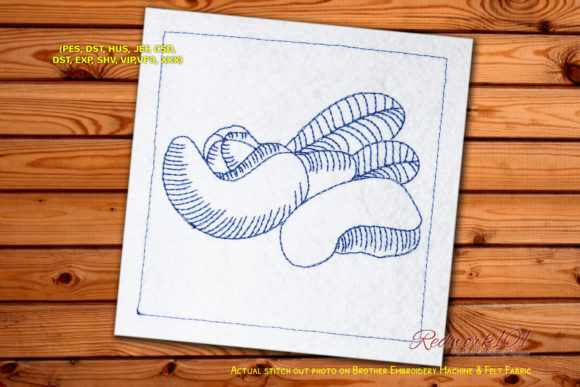
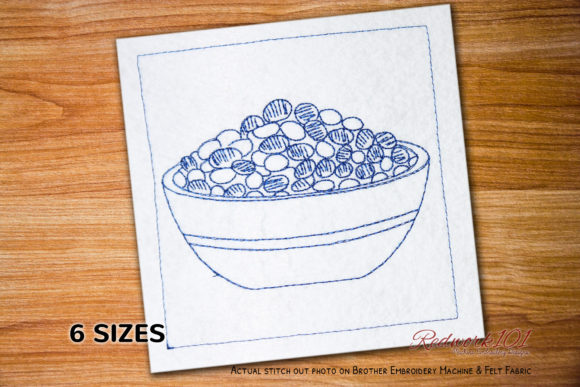
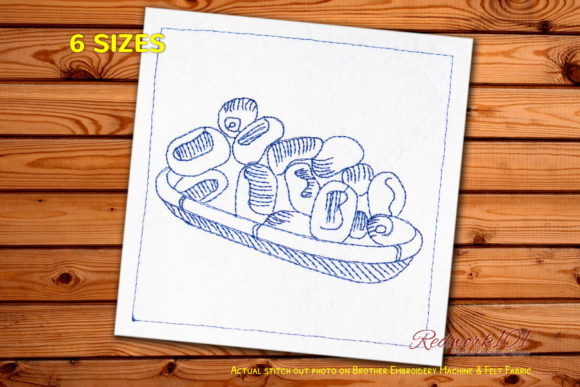
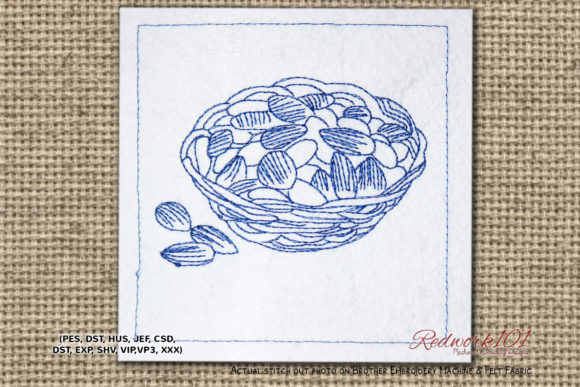
The moment I pulled up the preview for the Raw Almond in Wooden Container Redwork, the vibe was unmistakably rustic and farmhouse-chic. There is a specific warmth to redwork styles that resonates deeply with customers looking for authentic, handmade product quality. The simplicity of the line work suggests a vintage botanical illustration, which fits perfectly into current trends favoring natural motifs and kitchen-centric decor. Unlike overly complex designs that can look muddy from a distance, this almond motif offers clarity. It feels minimal yet decorative, striking a balance that appeals to both modern minimalist buyers and those who love traditional country aesthetics.
The description notes that the box stitch shown in pictures is optional and that the outer box color often varies. This flexibility is a massive advantage for a designer. It means I can adapt the embroidery file to match specific brand colors or seasonal themes without altering the core integrity of the image. Whether I choose a warm terracotta thread for autumn or a crisp crimson for a general kitchen collection, the design remains versatile.
Product Applications for Maximum Sales
When setting up a booth, variety is key, but cohesion is king. I evaluated where the Raw Almond in Wooden Container Redwork would perform best across my inventory. Here is how I see it fitting into various product lines:
- Tote Bags and Market Bags: This is likely the strongest contender. A large-scale version of this design centered on a natural canvas tote creates an instant "farm-to-table" narrative. It serves as an excellent tote bag design for shoppers who frequent farmers' markets.
- Aprons and Tea Towels: Kitchen linens are staples at craft fairs. As an apron embroidery piece, it sits perfectly on the bib or pocket. For tea towel embroidery, the redwork style shines because it mimics traditional flour sack towel designs that customers actively seek out.
- Embroidered Patches: If produced as an embroided patch with a merrowed edge, this design becomes a versatile accessory. Customers love iron-on patches for denim jackets or canvas bags, and the simple lines of the almond ensure the patch remains durable after washing.
- Pillow Covers and Pouches: For home decor, this motif works beautifully on linen pillow covers. It adds a subtle touch of nature without overwhelming the room. Similarly, small fabric pouches featuring this design make for perfect gift-with-purchase items or low-cost add-ons at the checkout counter.
Production Practicality and Batch Efficiency
For an Etsy seller or boutique maker, time is money. One of the most appealing aspects of the Raw Almond in Wooden Container Redwork is its likely efficiency. Redwork designs typically utilize single-color runs with fewer stops, which significantly reduces production time compared to full-color fills. This makes it an ideal candidate for batch production. I can hoop multiple items, run the machine, and move on to the next set without constant monitoring.
However, practical selling points go beyond speed. The design must be understandable at a glance. In a busy craft fair environment, customers walk by quickly. The silhouette of the almond in its container is distinct and recognizable immediately. It does not require explanation, which is crucial for impulse buys. Furthermore, because it relies on line work rather than dense satin fills, it photographs exceptionally well for printable mockup creation and online listings. The contrast between the thread and the fabric pops in digital images, driving traffic to your small shop product pages.
Critical Considerations for Execution
While the design is promising, there are technical factors every commercial embroidery professional must address before committing to a full production run. Since the specific stitch density and exact hoop size are not provided in the brief description, these must be verified upon downloading the digital embroidery file.
- Fabric Texture and Clarity: Redwork relies on clean lines. If you are stitching on highly textured towels or thick woven fabrics, ensure the thread colors provide enough contrast. A dark red on a navy towel might get lost; a bright red on cream linen will sing.
- Curved Surfaces: If applying this to caps, be mindful of the curvature. Simple line designs can sometimes distort on the front panel of a hat if the digitizing isn't optimized for curved surfaces. Test a sample before selling.
- Scaling Issues: While great as a focal point, shrinking this design too small for a tiny pocket logo might cause the details of the wooden container to merge. Always check the minimum viable size.
- Stabilizer Selection: Even with low-density designs, using the correct stabilizer is vital to prevent puckering, especially on lightweight fabrics like tea towels. A cut-away stabilizer might be overkill, but a high-quality tear-away or water-soluble topping could ensure crisp lines.
Enhancing Brand Value and Customer Engagement
Incorporating the Raw Almond in Wooden Container Redwork into your lineup does more than just add a product; it enhances your brand story. It signals to customers that you value natural elements and timeless design. This consistency builds trust. When a customer sees this motif on a tote, then again on a patch and a towel, it creates a cohesive collection that encourages multiple purchases.
From a buyer engagement standpoint, food-themed embroidery often sparks conversation. "Do you bake?" or "I love almonds!" are easy icebreakers that lead to sales. The design feels premium because of its restraint; it doesn't scream for attention, but rather invites a closer look. This perceived quality allows for a higher price point compared to generic, mass-produced graphics.
Final Designer Notes and Recommendations
Before listing this as a finished product or selling it as part of your design assets, I strongly advise running a physical test. Stitch the design on scrap fabric that matches your intended final products. Check the spacing between the almond and the container lines to ensure they don't blend together after washing. Confirm the commercial licensing terms associated with the file; some creators allow unlimited physical sales but restrict digital redistribution.
If the file format and hoop requirements align with your equipment, the Raw Almond in Wooden Container Redwork is a solid investment for your Food and Embroidery themed collections. It bridges the gap between aesthetic charm and production reality, making it a reliable workhorse for the seasoned craft fair vendor. By paying attention to thread contrast, fabric choice, and proper stabilization, this design can become a signature element of your handmade brand, driving both foot traffic at booths and clicks in your online store.