Roasted Cashew Nuts with Leaf Redwork Review
As an embroidery designer who has spent years digitizing and stitching for boutique apparel brands, I approach every new machine embroidery design with a critical eye. It is not just about whether the file runs; it is about how that design translates into a tangible product that customers want to wear. Recently, I evaluated the Roasted Cashew Nuts with Leaf Redwork for an upcoming limited drop of premium sweatshirts. This review breaks down the aesthetic potential, technical considerations, and commercial viability of this specific food-themed motif for small shop owners and creative entrepreneurs.
First Impressions and Aesthetic Mood
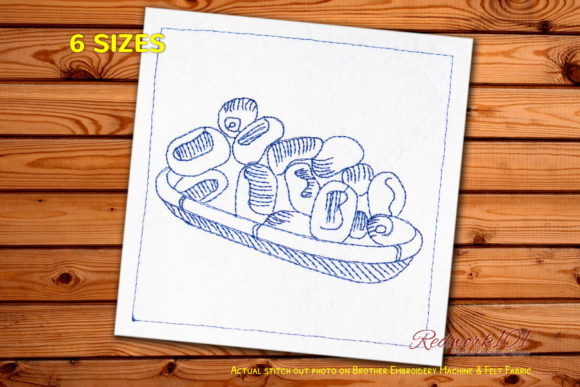
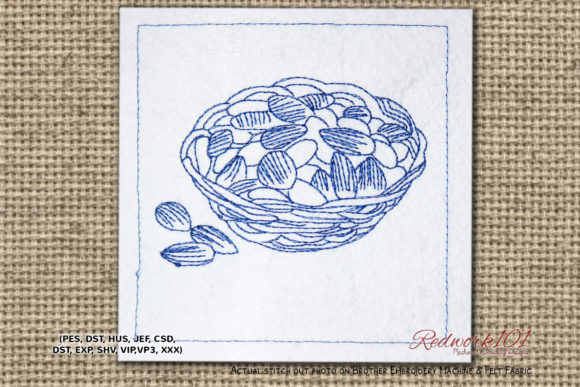
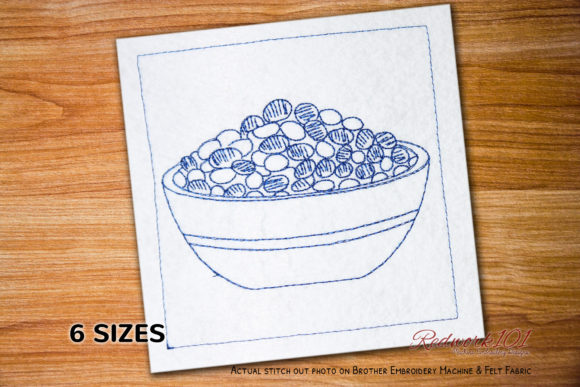
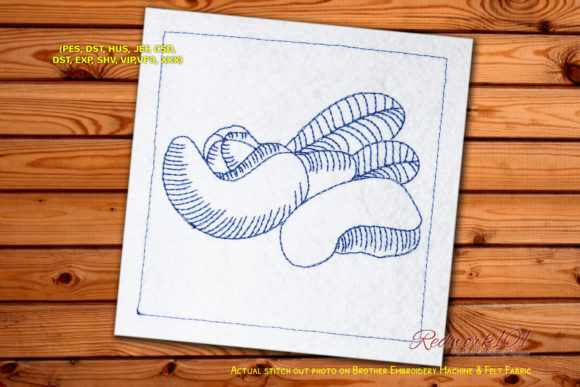
The immediate appeal of the Roasted Cashew Nuts with Leaf Redwork lies in its simplicity. In a market saturated with overly complex, high-density logos, there is a refreshing demand for minimalism. The "redwork" style suggests a single-color run, likely utilizing a warm, earthy tone that mimics the natural color of roasted nuts or perhaps a contrasting rust red for visual pop. This design feels rustic yet playful, striking a balance between a cute food illustration and a sophisticated botanical element.
For a boutique brand focusing on cozy, seasonal apparel, this motif hits the right notes. It does not scream "fast fashion"; instead, it whispers "handmade product." The inclusion of the leaf adds an organic touch that elevates the subject matter from a simple snack to a lifestyle statement. When visualizing this on a neutral oatmeal or heather grey sweatshirt, the design offers a clean, uncluttered look that appeals to customers seeking understated style. It feels decorative without being overwhelming, making it an excellent candidate for brands that value visual recognition through subtlety.
Placement Strategies for Sweatshirts and Hoodies
One of the most versatile aspects of this embroidery file is its adaptability across different garment placements. For a standard sweatshirt embroidery project, I would recommend a left-chest placement. At approximately 3 to 4 inches wide, the details of the cashew curve and the leaf vein should remain readable without losing definition. This placement screams "boutique brand" and adds a professional touch to what might otherwise be a blank canvas.
However, the true potential for this design shines in unconventional placements. Imagine an oversized hoodie where the Roasted Cashew Nuts with Leaf Redwork is stitched large on the back, centered between the shoulder blades. Alternatively, consider a sleeve accent on a cropped zip-up. Because the design is likely low in stitch density due to its redwork nature, it sits flat against the fabric, preventing the puckering that often plagues heavy fills on thin fleece. This makes it ideal for custom apparel where comfort is as important as aesthetics. The optional box stitch mentioned in the product details offers further customization; skipping the box creates a floating, organic feel, while including it frames the image for a more structured, badge-like appearance.
Technical Considerations for Production
From a technical standpoint, working with food imagery in embroidery requires careful attention to thread selection and fabric interaction. Since this is a redwork-style design, the success of the finished product relies heavily on thread colors. A variegated thread could add depth to the cashew, simulating the roasted texture, while a solid matte cotton thread might enhance the rustic vibe. It is crucial to test the contrast against your base fabric. On dark navy or black hoodies, a golden-brown or cream thread would provide excellent visibility, whereas a pastel pink sweatshirt might require a deeper terracotta thread to ensure the design does not get lost.
Fabric texture plays a significant role here. Sweatshirts and hoodies often feature loopback fleece or French terry, which can be tricky for small details. Before committing to a full production run, you must verify the hoop size compatibility and ensure your stabilizer choice is robust enough to handle the fabric's stretch without distorting the delicate lines of the leaf. A cut-away stabilizer is generally recommended for knit fabrics to maintain the integrity of the design after multiple washes. While the product description notes that the outer box color varies or can be skipped, this flexibility is a boon for designers needing to match specific brand palettes without re-digitizing the file.
Readability and Durability Concerns
A common pitfall with small-scale food designs is the loss of detail when resized. If you intend to use the Roasted Cashew Nuts with Leaf Redwork as a tiny tag or a subtle cuff detail, ensure the stitch count supports that reduction. Redwork typically holds up better than fill stitches at smaller sizes, but the gap between the nut and the leaf must remain distinct. Furthermore, commercial embroidery demands durability. Customers expect their handmade items to withstand regular washing. Because this design likely avoids heavy saturation, it reduces the risk of thread breakage or fabric stiffness, contributing to a longer lifespan for the garment.
Elevating Brand Identity and Product Value
In the world of Etsy sellers and digital creators, the perceived value of an item is often tied to its presentation. Using a unique motif like Roasted Cashew Nuts with Leaf Redwork helps differentiate your small shop product from generic print-on-demand offerings. Embroidery adds texture and dimension that prints cannot replicate. When potential buyers see high-quality printable mockup images or lifestyle photography featuring this stitched design, it signals quality and attention to detail.
This design asset can become a cornerstone of your brand identity. If your boutique focuses on wellness, snacking, or autumnal themes, this motif reinforces that narrative visually. It builds buyer trust because it shows you have invested in specialized design assets rather than using clipart. For those selling digital embroidery file packages, offering this design with clear instructions on the optional box stitch adds value to the download, empowering other crafters to create their own merchandise.
Final Verdict for Commercial Use
The Roasted Cashew Nuts with Leaf Redwork is a strong contender for any designer looking to expand their food-themed collection. Its versatility allows it to function as a standalone statement piece or part of a larger pattern. Whether you are decorating a line of cozy winter wear or creating custom gifts, the design offers a charming, professional finish. However, always remember to check the specific technical specifications provided by the seller, such as the exact hoop size requirements and license terms for commercial embroidery, before launching your production. With the right fabric pairing and thread choices, this design has the power to turn a simple sweatshirt into a coveted fashion item.