Four Leaf: A Professional Review for Branded Merch
As an embroidery designer who spends countless hours digitizing and testing files for commercial use, I approach every new machine embroidery design with a critical eye. It is not just about whether a motif looks cute on a screen; it is about how that digital embroidery file translates into a tangible asset for a small business. Recently, I reviewed the Four Leaf design, a hand-digitized file available in six sizes, intended for everything from pillows to apparel. For shop owners, boutique managers, and handmade brands, this review breaks down whether Four Leaf is a viable candidate for your next run of branded merchandise.
First Impressions and Visual Personality
The moment you load the Four Leaf design into your editing software, the "hand-digitized" claim becomes apparent. Unlike auto-digitized clips that often suffer from erratic stitch paths, this design exhibits a deliberate flow. The visual personality strikes a balance between playful and classic. While it is categorized under St Patrick S Day, its utility extends far beyond seasonal novelties. The four-leaf clover is a universal symbol of luck, growth, and nature, making it an excellent fit for florists, organic bakeries, pet brands, and creative studios that want to project a friendly, approachable image.
The design feels premium rather than rustic. The lines are clean, suggesting that when stitched out, it will offer a polished look suitable for customer-facing items. However, because it is described as having "stitch and" details (implying specific textural elements or underlay structures), one must pay close attention to how these elements render on different fabrics. For a brand identity focused on quality and care, Four Leaf has the potential to be a strong visual anchor.
Real-World Business Applications
For small business owners, the true test of an embroidery file is its versatility across various products. Here is how Four Leaf performs in specific commercial scenarios:
- Embroidered Patches: This is arguably the strongest use case. Because the design is available in six sizes, you can scale it down for a subtle chest patch or keep it larger for a back logo. The distinct shape of the four leaves makes for a recognizable embroidered patch that customers love to collect and display.
- Staff Uniforms and Aprons: For a café or bakery, adding Four Leaf to staff apron embroidery adds a touch of whimsy without sacrificing professionalism. It serves as a subtle nod to the brand's values—perhaps implying that every customer is "lucky" to dine there.
- Cap Embroidery: Placing this design on the front of a dad hat or baseball cap can be tricky due to the curved surface. However, if the digitizing includes proper pull compensation, it can serve as an excellent sleeve detail or a small front-center logo.
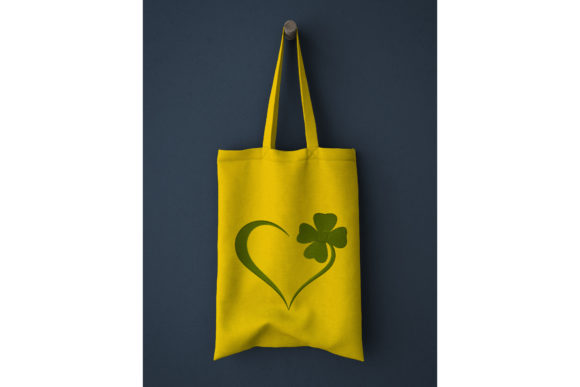
- Tote Bags and Packaging: As a tote bag design, the motif works beautifully on canvas. It elevates a simple shopping bag into a reusable piece of small business merch that acts as free advertising when customers carry it around town.
- Seasonal Promotions: Naturally, during March, this design shines for St Patrick S Day promotions. You can quickly swap out thread colors to match holiday themes while maintaining brand consistency.
Technical Considerations for Production
While the aesthetic appeal is high, practical execution requires caution. As a designer, I always advise testing any new file before committing to a large production run. Here are the critical factors to consider with Four Leaf:
- Stitch Density and Fabric Texture: High-quality digitizing often involves higher stitch density to achieve a饱满 (full) look. On thick fabrics like sweatshirts or denim, this is rarely an issue. However, on lightweight poly-cotton blends or textured linens, dense stitching can cause puckering. Always test on a scrap piece of your actual inventory fabric first.
- Small Scale Legibility: If you intend to use the smallest of the six available sizes for a tiny label or a pocket accent, inspect the spacing between the leaves. Fine details can merge together if the design is scaled down too aggressively. Ensure the negative space remains clear.
- Thread Color Contrast: The description mentions it is digitized with specific stitch structures. When moving away from traditional green thread colors to match a specific brand palette (e.g., navy on white, or gold on black), verify that the contrast remains sharp. A monochromatic look can be elegant, but it risks losing definition if the tonal difference is too slight.
- Stabilizer Selection: To prevent distortion, especially on stretchy materials like t-shirts, using the correct stabilizer is non-negotiable. For a design with defined edges like a clover, a cut-away stabilizer is often safer than tear-away for items that will undergo frequent washing.
Impact on Brand Identity and Customer Trust
In the world of commercial embroidery, consistency is king. Using a well-executed design like Four Leaf contributes to a cohesive brand identity. When a customer receives a tote bag or a uniform with a crisp, professional logo, it signals that the business cares about details. This perception directly influences customer trust and perceived product value.
A sloppy embroidery job can cheapen a brand, but a precise, hand-digitized finish suggests craftsmanship. For Etsy sellers and crafters, offering items featuring Four Leaf can enhance the "handmade product" narrative. It tells a story of intentionality. Furthermore, because the symbol of the four-leaf clover is inherently positive, it fosters an emotional connection with the buyer, potentially increasing engagement and repeat purchases.
Designer Notes and Final Recommendations
Before integrating Four Leaf into your catalog of design assets, follow this checklist to ensure a successful finished product:
- Test in Black and White: Remove color variables initially to check the structural integrity of the stitches.
- Verify Hoop Size: Although six sizes are available, confirm that the largest version fits within your machine's maximum hoop size without requiring re-hooping, which can lead to alignment errors.
- Create a Printable Mockup: Before stitching, generate a printable mockup to show clients or stakeholders. This helps visualize the placement on custom apparel or accessories.
- Check Licensing: Since this is for business use, explicitly confirm the commercial licensing terms provided by the creator. Ensure you have the rights to sell physical goods featuring this design.
- Compare Assets: Place Four Leaf beside your existing logos. Does it complement your current visual language, or does it clash?
In conclusion, Four Leaf is a robust contender for small businesses looking to add a touch of charm and professionalism to their merchandise. Its hand-digitized nature suggests a level of quality that auto-generated files often lack. Whether used for a seasonal St Patrick S Day campaign or as a year-round emblem for a nature-focused brand, this design holds significant potential. Just remember: the key to success lies in respecting the technical limits of your materials and always prioritizing a test stitch. With the right preparation, Four Leaf can become a staple in your embroidery portfolio, driving both aesthetic appeal and business growth.